


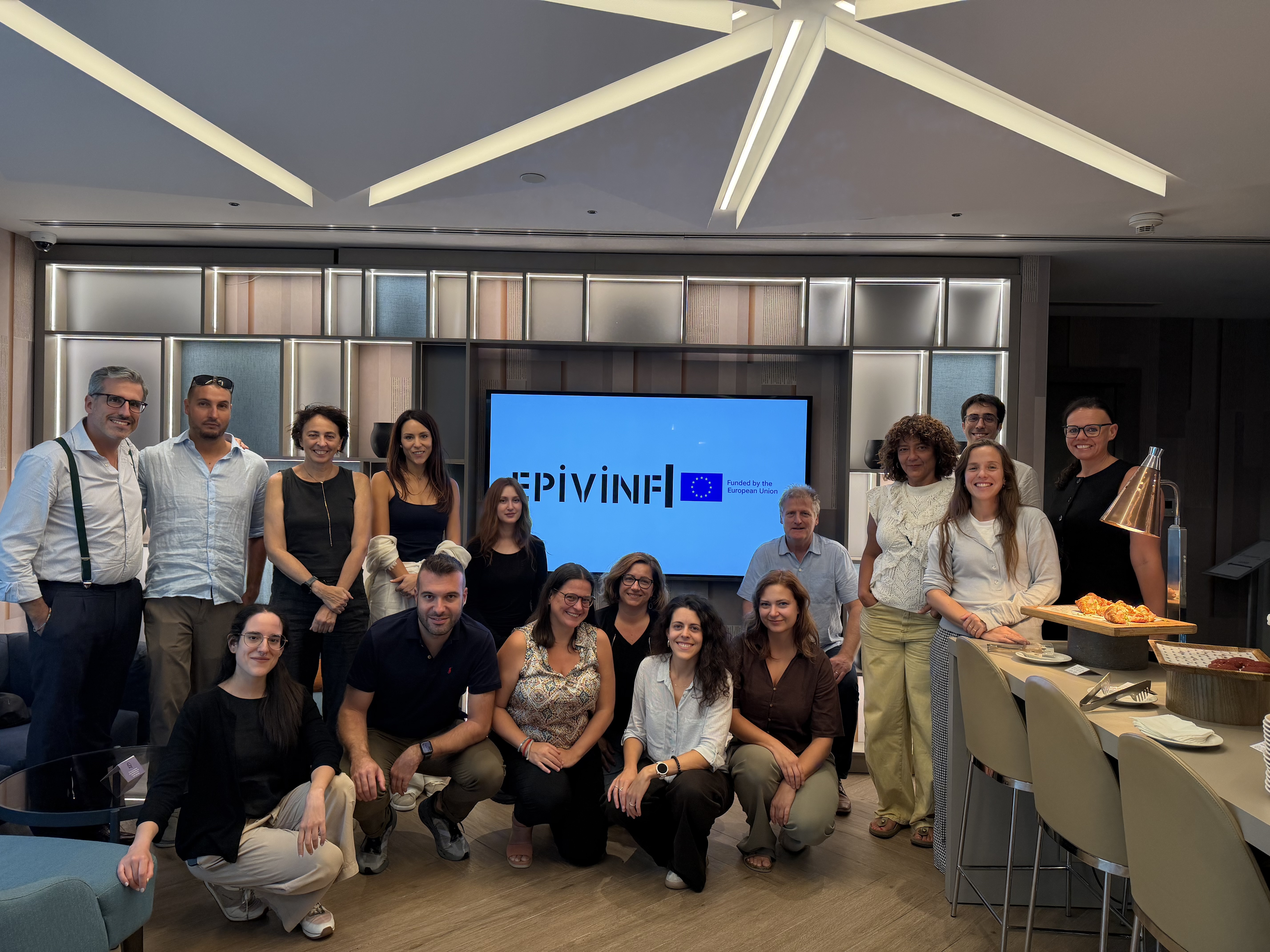

ST JULIAN'S, MALTA - 8 October 2026 - The effects of a viral infection may persist long after the infection itself has passed, and researchers are increasingly investigating the biological mechanisms that could help explain these lasting effects. On 7–8 October, researchers from six European countries are gathering in Malta to discuss new findings and coordinate the next stages of research within EPIVINF, a European-funded project coordinated by Barcelona-based research center IrsiCaixa. The project investigates how HIV and SARS-CoV-2 can alter epigenetic mechanisms involved in immune and brain function, and whether these changes may contribute to persistent effects following infection. The project’s General Assembly is hosted by EPIVINF partner Omniscope.
The two-day meeting brings together European researchers working in different disciplines to define priorities for the next phase of the research.
Looking beyond the infection
“While much research focuses on the immediate effects of viral infection, EPIVINF is investigating the biological changes that may persist after the acute phase. The project focuses on epigenetics, the mechanisms that regulate gene activity without altering the underlying DNA sequence”, says Christian Brander, EPIVINF coordinator and principal investigator at IrsiCaixa. “Viral infections can affect these regulatory processes, potentially influencing how cells function and respond over time”, he adds.
EPIVINF is studying how HIV and SARS-CoV-2 affect epigenetic regulation, with a particular focus on genes and pathways involved in immune and brain function. Researchers are also investigating whether pre-existing epigenetic differences between individuals may influence their immune response to vaccination.
Together, these approaches aim to shed light on why the effects of some viral infections may persist beyond the acute phase, and on the biological factors that could contribute to differences in recovery and longer-term outcomes.
A European research effort hosted in Malta
The General Assembly is hosted by Omniscope, whose participation in EPIVINF contributes to the project’s European research network and brings the consortium to Malta for this stage of the research.
Vijay Vaswani, Chief Executive Officer (CEO) of Omniscope stated “Omniscope’s journey began with our incorporation in Malta in 2021, and since then, we have expanded our footprint to include operations inSpain and the USA. Hosting the EPIVINF General Assembly in Malta is a testament to our roots and our commitment to building world-class research infrastructure here. EPIVINF is one of four major EU projects Omniscope Malta is involved in, which significantly strengthens the Maltese research and development ecosystem. As we scale our operations, we intend to continue growing our Malta base, leveraging international collaborations like EPIVINF to bring cutting-edge biotechnology and AI capabilities to the region, and ultimately contributing to global health solutions.”
"We are proud to bring our cutting-edge single-cell and immune profiling capabilities to the EPIVINF consortium," says Dr. Holger Heyn, Chief Scientific Officer at Omniscope. "By decoding the complex interactions between epigenetic changes and the immune system at an unprecedented scale, we aim to generate a much deeper understanding of how these viruses impact the body over time. Ultimately, our goal is to provide these high-resolution insights with the view of enabling more individualized care for patients."
Within the EPIVINF project, Omniscope contributes its proprietary osTCR and osBCR sequencing technologies to provide a high-resolution view of the immune system’s response to viral infections. The company is conducting deep T-cell and B-cell receptor (TCR and BCR) repertoire sequencing, to sensitively track immune clonal expansion related to HIV and SARS-CoV-2. Furthermore, Omniscope applies advanced AI to integrate these massive immune repertoires with DNA methylation and gene expression alterations, helping to elucidate the causalities behind abnormal vaccine efficacy and long-term disease consequences.
For more information, please visit www.omniscope.ai, or www.epivinf.eu.
ABOUT OMNISCOPE:
Omniscope is a techbio company building the world’s most advanced immune intelligence platform. Originating from clinical immunology, Omniscope combines patented laboratory technologies, deep T and B cell receptor sequencing, and AI-driven models to generate high-resolution, dynamic insights into the immune system. Omniscope’s mission is to empower clinicians, researchers, and athletes with predictive, personalized immune data — improving diagnostics, therapeutic development, performance, and healthspan. Learn more: https://www.omniscope.ai/about-us
ABOUT EPIVINF:
The EPIVINF project has received funding from the European Union's Horizon Europe research and innovation programme under grant agreement No 101057548. All views expressed are those of the authors only and do not necessarily represent those of the European Union or the granting authority. Learn more: https://www.epivinf.eu


